
black reflective glass window
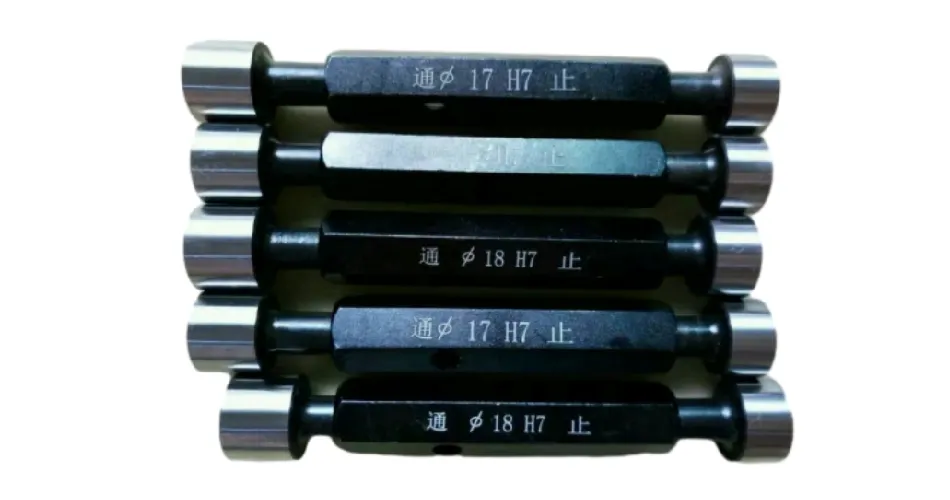
Understanding Machinist Gauge Pins Tools for Precision Measurement In the world of manufacturing and machining, precision is key. One of the essential tools that machinists employ to ensure accuracy is gauge pins. These simple yet crucial instruments play a significant role in measuring and verifying the dimensions of various components, thereby ensuring that parts adhere to stringent specifications and tolerances. Gauge pins, also known as plug gauges or setting plugs, are cylindrical rods typically made of hardened steel. They are engineered to meet exacting standards and are precision machined to specific diameters. The fundamental purpose of a gauge pin is to serve as a go/no-go measuring tool. In other words, they help determine whether a hole or a part fits within a predetermined tolerance range. Understanding Machinist Gauge Pins Tools for Precision Measurement One of the essential characteristics of gauge pins is their accuracy. High-quality gauge pins are manufactured with the utmost precision, often within microns of the desired dimension. This level of accuracy is crucial in industries where even the tiniest of discrepancies can lead to catastrophic failures, particularly in fields like aerospace, automotive, and medical device manufacturing. machinist gauge pins Gauge pins come in various standard sizes to accommodate different requirements, and each size corresponds to a specific tolerance. Typically, they are classified into two categories go pins and no-go pins. A go pin is intended to fit into a hole of the specified size, indicating that the hole is acceptable. Conversely, a no-go pin is designed to not fit into the same hole. If the no-go pin enters the hole, it signifies that the hole exceeds the tolerance and is, therefore, unacceptable. The benefits of using gauge pins extend beyond mere measurement. They enhance operational efficiency by streamlining the inspection process. Machine operators can quickly and effectively verify the dimensions of a component, reducing downtime and increasing productivity. Furthermore, the use of gauge pins helps mitigate the risk of errors. By relying on these precision tools, machinists can be confident in their measurements and ensure that each part manufactured adheres to the required specifications. In addition to their practical applications, gauge pins are also crucial in the field of quality control. Regular inspection using gauge pins can help identify variations in manufacturing processes, allowing operators to make necessary adjustments before defects occur. This proactive approach to quality control not only helps reduce waste but also fosters continuous improvement in manufacturing practices. In conclusion, machinist gauge pins are indispensable tools that support precision measurement in the manufacturing and machining industries. Their simplicity and effectiveness make them an essential component of any machinist's toolkit. By ensuring accurate measurements and compliance with specifications, gauge pins help uphold the quality and integrity of manufactured components, ultimately contributing to the success of the broader manufacturing process. As industries continue to evolve and demand for precision increases, the role of gauge pins will remain pivotal in the pursuit of excellence in craftsmanship.
about
black reflective glass window
Understanding Metric Trapezoidal Thread A Comprehensive Overview In the world of mechanical engineering and manufacturing, threaded fasteners play a crucial role. Among the various types of threads, the metric trapezoidal thread stands out for its unique shape and applications. This article will delve into the characteristics, advantages, and uses of metric trapezoidal threads. Metric trapezoidal threads are designed with a trapezoidal profile, distinct from standard triangular threads. This shape provides several benefits that enhance the performance and reliability of threaded connections. The thread's geometry allows for efficient transfer of load, making it ideal for applications involving power transmission, such as lead screws in machinery. The flat top and bottom of the trapezoidal thread minimize the risk of stripping, which can occur with other thread types under heavy loads. One of the primary advantages of metric trapezoidal threads is their increased contact area. This feature helps in distributing loads more evenly across the thread, reducing wear and increasing the overall lifespan of both the screw and the nut . Additionally, the design allows for smoother operation, minimizing friction and enhancing the precision of motion in applications where accuracy is paramount. metric trapezoidal thread Metric trapezoidal threads are standardized under the ISO 2901 standard, which specifies their dimensions, pitch, and tolerances. Common pitches include 1, 1.5, 2, and 3 millimeters, allowing engineers to select the appropriate size for their specific needs. The metric designation also ensures compatibility in international markets, making these threads a popular choice among manufacturers worldwide. Applications for metric trapezoidal threads are diverse and extensive. They are commonly found in machinery and automation systems where linear motion is required. For instance, in CNC machines, these threads are used in lead screws that convert rotary motion into linear movement with high precision. They are also employed in lifting equipment, such as jacks and screw lifts, where the thread's ability to handle heavy loads is crucial. Additionally, metric trapezoidal threads are widely used in agricultural machinery and automotive applications, where durability and reliability are essential. Their ability to withstand dynamic loads makes them an ideal choice for these demanding environments. In conclusion, metric trapezoidal threads offer a robust solution for various mechanical applications. Their unique design provides numerous benefits, including enhanced load distribution, reduced wear, and smooth operation. As manufacturing technology continues to evolve, the importance of reliable and efficient threaded fasteners, such as metric trapezoidal threads, cannot be overstated. Understanding their role in engineering helps in making informed decisions when designing and manufacturing machinery that requires precision and endurance.
-

High quality industrial productsagement

High quality industrial products
View Details -

Meet the diverse needs of customers

Meet the diverse needs of customers
View Details -

Strict quality control

Strict quality control
View Details -

Top raw materials

Top raw materials
View Details -

Trusted supplier

Trusted supplier
View Details
Our application



news and information

Versatile Thread Gauge for Precision Measurement and Adjustability in Mechanical Applications
Understanding Adjustable Thread Gauges A Tool for Precision Measurement In the world of engineering

Valvola di ritegno libera
Valvole di Chiusura Un Elemento Fondamentale nelle Infrastrutture Industriali Le valvole di chiusura
vibration pad material
Understanding Vibration Pad Materials A Comprehensive Overview In a world that increasingly relies o
 English